
Dormant Seeding for Lawns
DORMANT SEEDING FOR LAWNS
You may think that, by November, you’d be done with lawn care chores. But, you can still help repair bare or thin spots in the lawn for next year with ‘dormant seeding’.
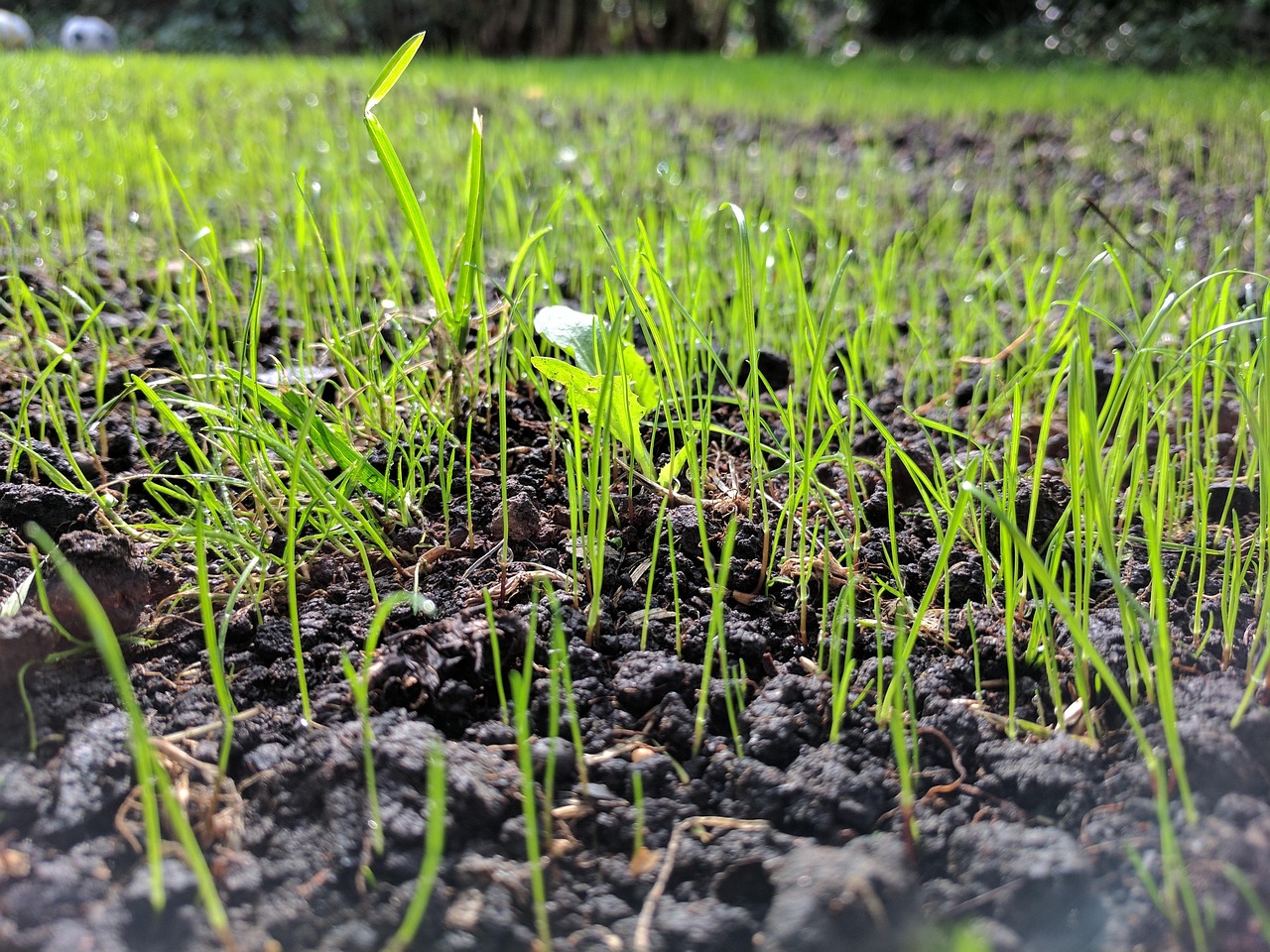
What is dormant seeding? Dormant seeding is planting grass seeds in late fall or early winter when soil temperatures are too cold for germination to occur. The seeds lie dormant through the winter and germinate in the spring when soil temperatures rise, and the freezing and thawing of the ground can help work the seeds into the soil. This method allows the new grass to get a head start and develop in the early spring.
What’s the time frame for dormant seeding? The best time for dormant seeding is typically in late fall or early winter, after the last leaves are mostly cleaned up, and when soil temperatures are consistently in the high 30s to low 40s but not frozen. In Essex County, those conditions typically occur in November and early December.
Do we need ‘prep’ the soil? Yes! It is crucial to have good ‘seed to soil contact’. Rake away any dead grass or left over leaves exposing as much soil as possible.
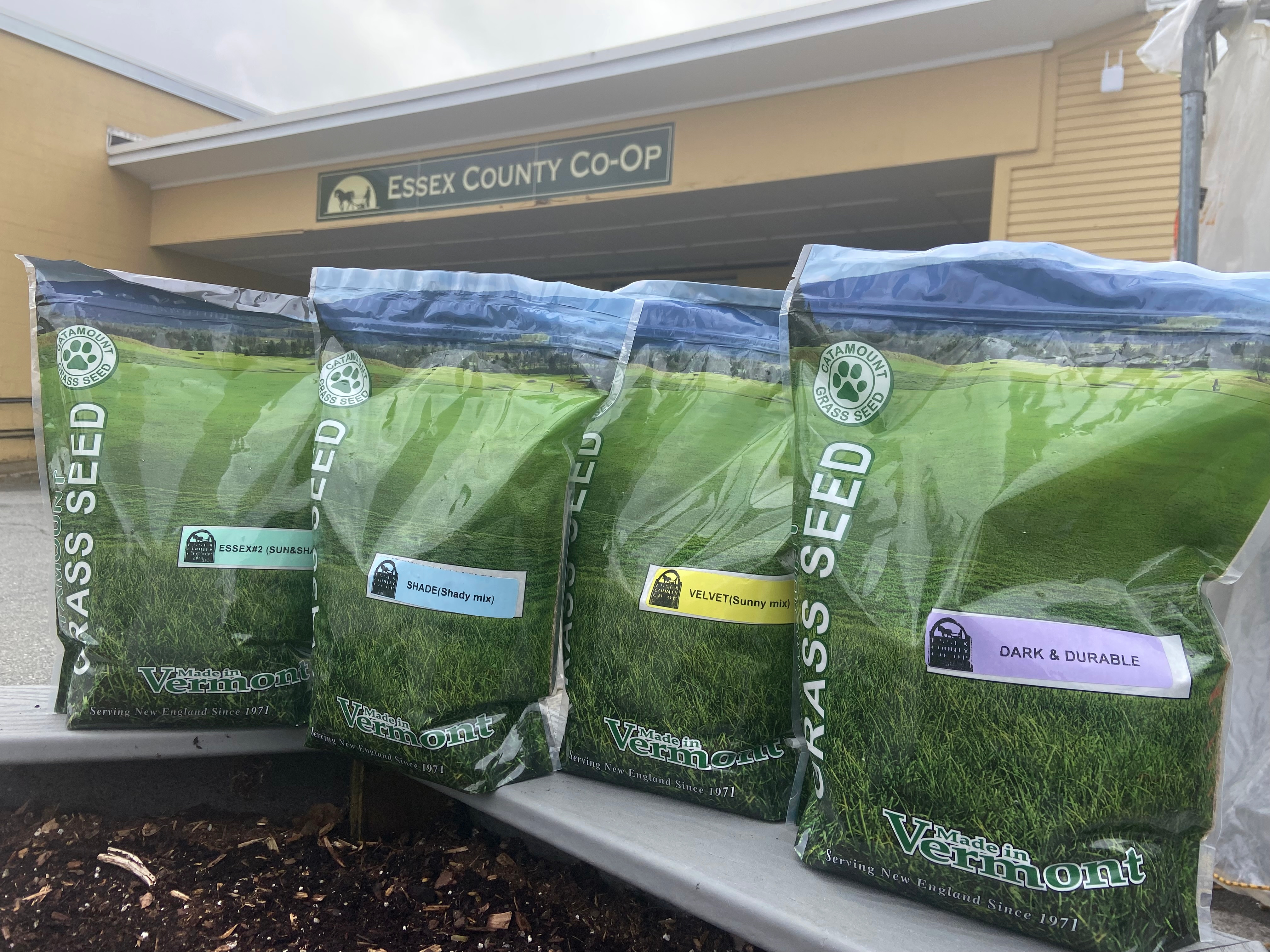
Do we need a special seed type? Nope! Any of the ‘cool season’ grass seed mixes available at the Co-Op will work just fine. Simply choose a seed mix that most closely matches your current grass types - All Sun, All Shade or Sun & Shade.
Then what? Apply the seed by hand or by spreader. DO NOT FERTILIZE! It’s always beneficial to lime. But, NO STARTER Fertilizer! The natural freeze thaw cycles pull the seeds into the soil. When the soil warms in the spring the seeds germinate and grow.
Are there Drawbacks? Potentially. Seed loss may occur if a light cover is not applied. Extended warm spells in winter can cause seed to sprout early making them vulnerable to re-freezing temperatures. Also, pre-emergent herbicides cannot be applied in the spring until this new grass is established and cut 3 times, as these herbicides will also harm the new grass seed.
And the upside? Dormant-seeded grass has more time to grow and a better tolerance to summer stress. This seeding method requires less water during germination and the first growth stages. It's a natural process that follows Mother Nature's reseeding schedule.