
Keep Your Flock From Overheating on Hot Days
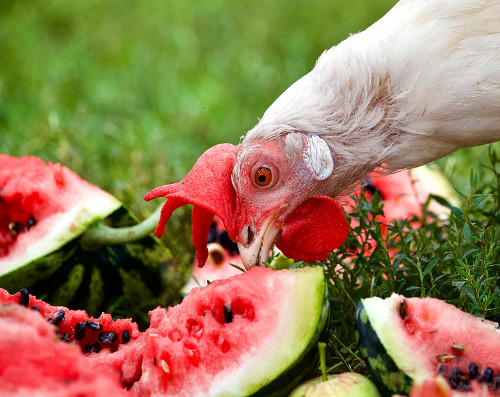
Keep Your Chickens Cool & Safe This Summer
When temperatures soar, your flock depends on you to help them stay cool. Chickens can tolerate warm weather, but prolonged heat—especially when temperatures climb into the 90s and above—can quickly lead to heat stress or even heat stroke if precautions aren't taken.
Here are some simple ways to help your chickens beat the heat and stay healthy all summer long.
Keep Fresh, Cool Water Available
Fresh water is the most important defense against heat stress. Make sure your flock has access to clean, cool water at all times, and place waterers in shaded areas to help keep the water from getting too warm.
Adding a small amount of ice can help cool the water, but avoid making it ice-cold, as an extreme temperature change may discourage drinking. On especially hot days, refill waterers more frequently and consider setting out additional water stations.
Add Electrolytes 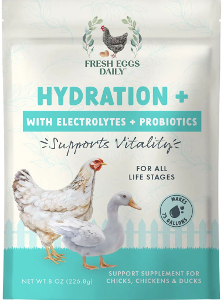
High temperatures can disrupt a chicken's electrolyte balance, especially when they're panting to cool themselves. Providing an electrolyte supplement in their drinking water helps support hydration, maintain proper body function, and replace essential minerals lost during periods of heat stress.
Electrolytes are especially helpful during heat waves or after periods of extreme heat. Fresh Eggs Daily Hydration+ and GRUBTERRA Hen Harmony are both great choices.
Give Your Flock Plenty of Space
Crowded conditions trap body heat and reduce airflow, increasing the risk of heat stress. If your birds spend most of their day in a run, provide at least 8 square feet per bird whenever possible.
Allowing chickens to free-range during cooler parts of the day also gives them more room to spread out and find comfortable spots.
Improve Airflow 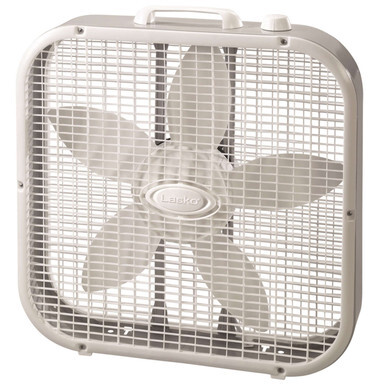
Good ventilation is essential during hot weather. Open coop windows and doors (while keeping predators out with secure wire) to allow hot air to escape.
If electricity is available, adding a fan can make a huge difference by increasing air circulation. For an extra cooling boost, place frozen gallon jugs of water in front of the fan to create cooler airflow.
Offer Cool, Hydrating Treats
Frozen treats are an easy way to help chickens stay hydrated while giving them a refreshing snack.
Great options include:
- Watermelon
- Grapes
- Cucumbers
- Apples
- Tomatoes
- Leafy greens
You can also freeze chopped fruits and vegetables into ice cubes or scatter treats into cool water to encourage extra drinking.
Create Plenty of Shade
Shade is critical during the hottest parts of the day. Trees provide the best natural cover, but shade cloths, tarps, or light-colored sheets also work well.
Avoid using dark-colored materials, which absorb heat and can actually make the area warmer. Be sure your flock has multiple shaded areas where they can escape the sun throughout the day.
Cool the Coop & Ground
Spraying down the roof of the coop and surrounding ground with a hose can help lower the temperature around your birds.
Damp soil also creates cooler dust-bathing areas, allowing chickens to regulate their body temperature naturally while keeping their feathers clean.
Consider Misters
If you live in an area with prolonged extreme heat, a misting system can significantly reduce temperatures in your flock's run.
Whether you purchase a ready-made system or build your own, use fine-mist nozzles that cool the air without soaking the area.
Watch for Signs of Heat Stress
Early signs include:
- Panting or open-mouth breathing
- Holding wings away from the body
- Lethargy
- Reduced appetite
- Pale combs or wattles
If left untreated, heat stress can progress to heat stroke, which is a medical emergency.
What to Do If a Chicken Overheats
If you suspect heat stroke:
- Move the bird immediately to a cool, shaded, or air-conditioned area.
- Gently cool the bird with cool (not ice-cold) water or allow it to stand in shallow cool water.
- Offer water with electrolytes if the bird is able to drink.
- Keep the bird quiet and monitor it closely until it recovers.
Severely affected birds may need additional supportive care and should be evaluated by a veterinarian if they do not improve quickly.
With plenty of fresh water, shade, good ventilation, and a few cooling treats, your flock can stay comfortable and productive even during the hottest summer days. A little preparation goes a long way in preventing heat stress and keeping your chickens healthy all season long.