
Spring Turf Tips for Pastures
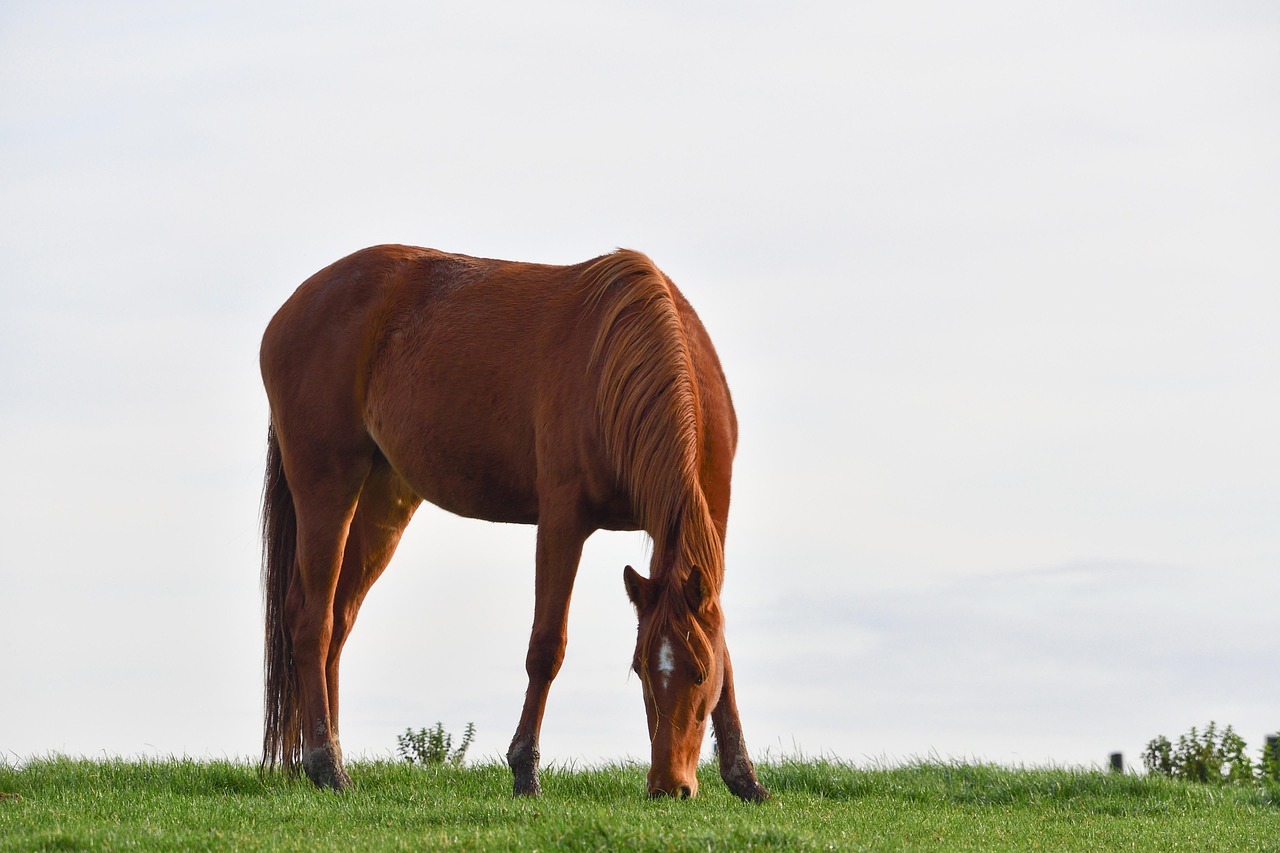
SPRING TURF TIPS FOR PASTURES IN ESSEX COUNTY
Keep Horses Off of Pastures Until Soils Are No Longer Soggy
One of the most important aspects of pasture management is the time you keep horses off the pasture. Saturated soils and dormant plants cannot survive continuous grazing and trampling. When soils are still wet, they are easily compacted, suffocating the roots of grass plants and doing long-term damage in the soil. A simple test for sogginess is to walk out in your pasture, if you leave a footprint, you know it’s still too wet and that the weight of a horse will certainly compact the soil.
Don’t Let Your Horses Have Too Much Grass Too Quickly!
Once horses begin grazing again, limit turn-out time. Too much grass can cause serious digestive issues in the spring when a horse’s gut is not used to the change in diet. Start with about a half-hour at a time and work up to several hours over a period of several weeks. For any questions on how much grazing time is safe for your horse, consult your veterinarian for recommendations.
Do a Soil Test
Just because spring is here, doesn’t mean it’s time to fertilize. How much and what type of fertilizer does the pasture grass require? The best way to find out is to do a soil test. The results will determine what your soil needs and you will be able choose a fertilizer with the right amount of nitrogen, phosphorous and potassium.
UMass Amherst offers a comprehensive soil test. The link for their lab is: www.umass.edu/agriculture-food-environment/sites/default/files/fact sheets/pdf/spttl_1_soil_sampling_instructions-ua.pdf
The Co-Op stocks a wide variety of turf fertilizers and soil amendments to meet almost any soil requirements.
 Weed Control
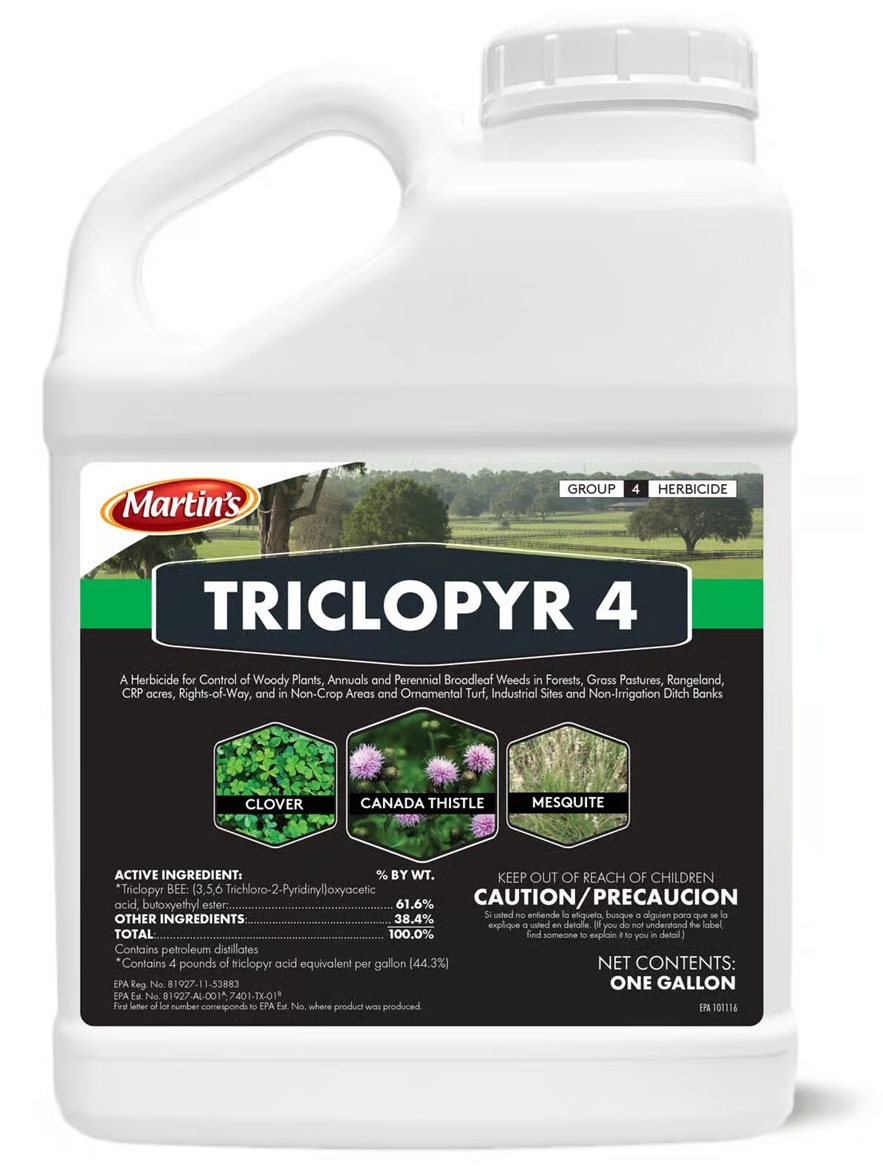
Weed control is essential at this point and throughout the growing season. Watch for weed seedlings and try to identify them for the most successful application of herbicides. The Co-Op carries a weed control specifically for pastures, Triclopyr 4. Triclopyr 4 effectively controls woody plants and broadleaf weeds in forests, pastures, and non-crop areas. Ideal for spot treatments and fence line maintenance. One gallon covers up to 2 acres.
Use Rotational Grazing
By dividing a pasture area into smaller fields and rotating horses through them, you can encourage horses to graze more evenly, keep pasture grasses from becoming overgrazed and guarantee fresh grass for a longer period of time during the growing season. The golden rule of grazing is; never allow the grass to be grazed shorter than three inches. This ensures that the grass will have enough reserves left after grazing to permit rapid re-growth. Consider the bottom three inches of the grass plant as the energy storage area. Once horses have grazed the majority of the pasture down to three or four inches, rotate them on to the next pasture. You can return horses back onto pastures when the grass has re-grown to about six to eight inches.
Seed bare spots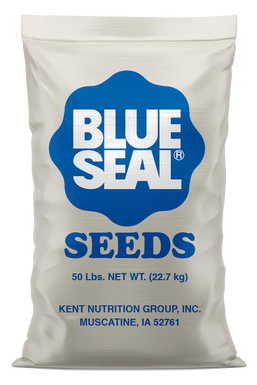
If you have bare spots in your pastures, keep them from being taken over by weeds by growing grass there instead. Spread the grass seed and gently rake it into the topsoil. Cover it with a thin layer of soil or compost and then lightly press the soil surface. This holds in moisture and protects the seeds from birds. The Co-Op stocks a variety of seed types for pastures including Perennial Ryegrass, Timothy, Orchard Grass and two endophyte-free mixes; Horse Lawn and Equi-Graze.